See the First Stunning Image From NASA’s New X-Ray Observatory
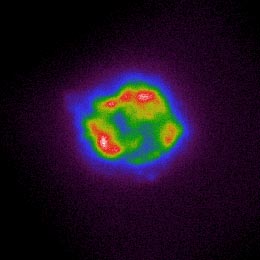
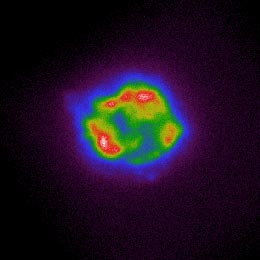
सुपरनोवा अवशेष कैसिओपिया ए की यह छवि नासा के इमेजिंग एक्स-रे पोलारिमेट्री एक्सप्लोरर द्वारा एकत्र किए गए पहले एक्स-रे डेटा में से कुछ को जोड़ती है, जिसे मैजेंटा में दिखाया गया है, जिसमें नासा के चंद्र एक्स-रे वेधशाला से उच्च-ऊर्जा एक्स-रे डेटा नीले रंग में है। श्रेय: NASA/CXC/एसएओ/IXPE
यह नवीनतम अंतरिक्ष वेधशालाओं में से एक के लिए पहली रोशनी है! इमेजिंग एक्स-रे पोलारिमेट्री एक्सप्लोरर टीम ने अंतरिक्ष यान के लिए एक महीने के कमीशनिंग चरण के बाद ली गई अपनी पहली छवि जारी की है। और यह एक सुंदरता है।
IXPE ने अंतरिक्ष वेधशालाओं के बीच एक पसंदीदा लक्ष्य को देखा, सुपरनोवा अवशेष कैसिओपिया ए। जबकि एक्स-रे मानव आंखों के लिए अदृश्य हैं, इस छवि में मैजेंटा रंग की मात्रा देखी गई एक्स-रे प्रकाश की तीव्रता से मेल खाती है। कहने की जरूरत नहीं है, यह उच्च ऊर्जा एक्स-रे के साथ तीव्र है।
इसके विपरीत, टीम ने एक अन्य एक्स-रे वेधशाला, चंद्रा एक्स-रे वेधशाला द्वारा टिप्पणियों को मढ़ा, जो पूरी छवि में नीले रंग की नसों के रूप में दिखाई देती है। चंद्रा और आईएक्सपीई में विभिन्न प्रकार के डिटेक्टर हैं, और इसलिए कोणीय संकल्प, या तीखेपन के विभिन्न स्तरों को पकड़ते हैं। साथ में, वे ब्रह्मांड में उच्च ऊर्जा स्रोतों पर अधिक संपूर्ण और विस्तृत डेटा तैयार कर सकते हैं।
छवि भी आदरणीय चंद्र वेधशाला के लिए एक संकेत है, क्योंकि कैस ए चंद्रा की पहली प्रकाश छवि भी थी। वह मिशन 1999 में शुरू हुआ था[{” attribute=””>NASA’s flagship mission for X-ray astronomy, and is still operating in a high Earth orbit.
This image from NASA’s Imaging X-ray Polarimetry Explorer maps the intensity of X-rays coming from the observatory’s first target, the supernova remnant Cassiopeia A. Colors ranging from cool purple and blue to red and hot white correspond with the increasing brightness of the X-rays. The image was created using X-ray data collected by IXPE between January 11-18. Credit: NASA
Since Earth’s atmosphere absorbs the vast majority of X-rays, they are not detectable from Earth-based telescopes. Space-based x-ray telescopes have allowed for new discoveries and new understandings of our cosmos.
This new image from IXPE contains data collected from January 11-18. The mission launched on December 9, 2021, on board a SpaceX
” data-gt-translate-attributes=”[{” attribute=””>SpaceX Falcon 9 rocket from NASA’s Kennedy Space Center in Florida. IXPE was placed in an orbit around Earth’s equator at an altitude of approximately 372 miles (600 kilometers).
IXPE is a joint effort between NASA and the Italian Space Agency, and is the first space observatory dedicated to measuring the polarization of X-rays from some of the most fascinating and dynamic objects in the universe.
The team said all instruments are functioning well aboard the observatory, which is on a quest to study some of the most mysterious and extreme objects in the universe.
NASA’s Imaging X-ray Polarimetry Explorer (IXPE) mission is the first satellite dedicated to measuring the polarization of X-rays from a variety of cosmic sources, such as black holes and neutron stars. Credit: NASA
Cassiopeia A is the shredded remains of a star that exploded several thousand years ago. It is the youngest known supernova remnant in our Milky Way
” data-gt-translate-attributes=”[{” attribute=””>Milky Way Galaxy and resides 10,000 light-years away in the constellation Cassiopeia, so the star actually blew up 10,000 years before the light reached Earth in the late 1600s.
The shock waves from the explosion have swept up surrounding gas, heating it to high temperatures and accelerating cosmic ray particles to make a cloud that glows in X-ray light. Other telescopes have studied Cassiopeia A before, but IXPE will allow researchers to examine it in a new way. The team is currently analyzing all the data to learn more, according to Martin C. Weisskopf, the IXPE principal investigator, in a press release.
For example, IXPE will allow scientists to see, for the first time, how the amount of polarization varies across the supernova remnant, which is about 10 light-years in diameter.
“IXPE’s future polarization images should unveil the mechanisms at the heart of this famous cosmic accelerator,” said Roger Romani, an IXPE co-investigator at Stanford University. “To fill in some of those details, we’ve developed a way to make IXPE’s measurements even more precise using machine learning techniques. We’re looking forward to what we’ll find as we analyze all the data.”
Originally published on Universe Today.