A Rocket Is Going To Crash Into the Moon Friday – NASA’s Lunar Reconnaissance Orbiter Will Get an Up-Close View of the Smoldering Crater
चंद्रमा में दुर्घटनाग्रस्त रॉकेट बूस्टर का कलाकार का एनीमेशन।
आकस्मिक प्रयोग अंतरिक्ष में प्रभावों के भौतिकी पर प्रकाश डालेगा।
4 मार्च, 2022 को, एक अकेला, खर्च किया हुआ रॉकेट बूस्टर चंद्रमा की सतह से टकराएगा लगभग 6,000 मील प्रति घंटे पर। एक बार धूल जम गई, नासा का लूनर टोही ऑर्बिटर सुलगते हुए क्रेटर को करीब से देखने की स्थिति में आ जाएगा और उम्मीद है कि ग्रहों के प्रभावों के रहस्यमय भौतिकी पर कुछ प्रकाश डालेगा।
के तौर पर ग्रह वैज्ञानिक जो चंद्रमा का अध्ययन करते हैं, मैं इस अनियोजित प्रभाव को एक रोमांचक अवसर के रूप में देखता हूं। चंद्रमा सौर मंडल के इतिहास का एक दृढ़ गवाह रहा है, इसकी भारी गड्ढा वाली सतह पिछले 4 अरब वर्षों में असंख्य टक्करों को दर्ज करती है। हालांकि, वैज्ञानिकों को शायद ही कभी प्रोजेक्टाइल की एक झलक मिलती है - आमतौर पर क्षुद्रग्रह या धूमकेतु - वह इन गड्ढों का निर्माण करें. एक गड्ढा बनाने की बारीकियों को जाने बिना, केवल इतना ही है कि वैज्ञानिक एक का अध्ययन करके सीख सकते हैं।
आगामी रॉकेट प्रभाव एक आकस्मिक प्रयोग प्रदान करेगा जो इस बारे में बहुत कुछ प्रकट कर सकता है कि प्राकृतिक टकराव कैसे ग्रहों की सतहों को कुचलते हैं और खराब करते हैं। प्रभाव भौतिकी की गहरी समझ से शोधकर्ताओं को चंद्रमा के बंजर परिदृश्य और पृथ्वी और अन्य ग्रहों पर पड़ने वाले प्रभावों की व्याख्या करने में मदद मिलेगी।
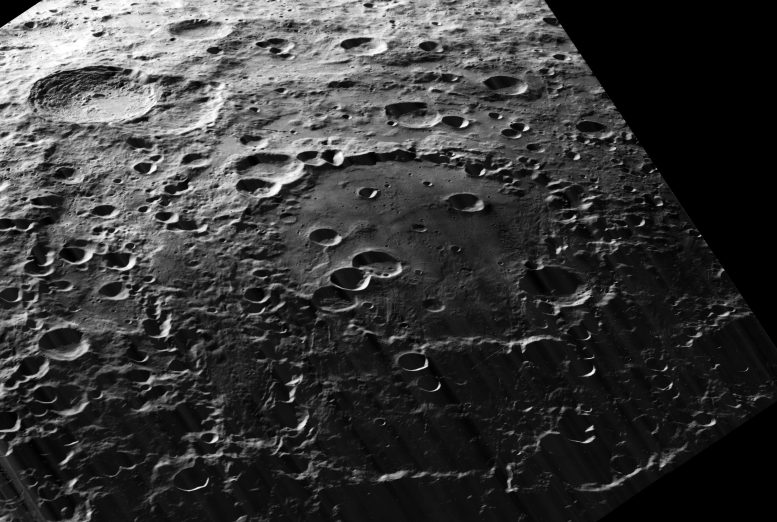
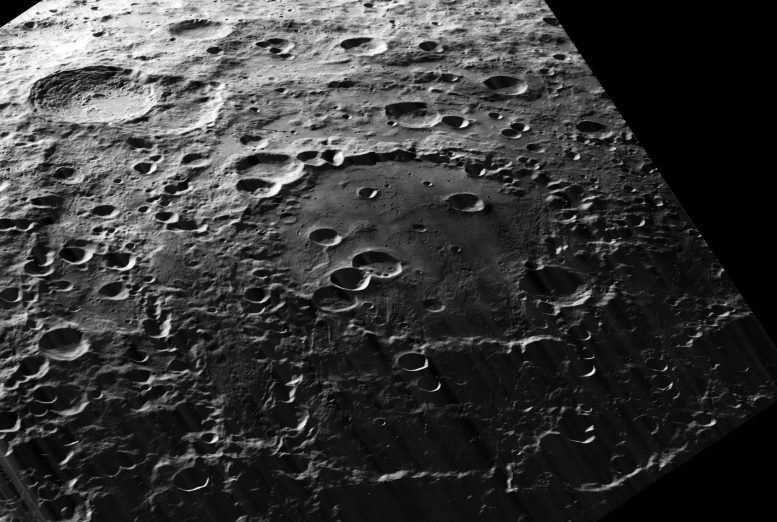
रॉकेट के बड़े हर्ट्ज़स्प्रंग क्रेटर में दुर्घटनाग्रस्त होने की उम्मीद है - इस तस्वीर के केंद्र में देखा गया - चंद्रमा के दूर की ओर पृथ्वी के दृश्य के बाहर। श्रेय: NASA/चंद्र और ग्रह संस्थान
जब कोई रॉकेट चंद्रमा पर दुर्घटनाग्रस्त हो जाता है
वहाँ है कुछ बहस हुई सटीक के ऊपर टम्बलिंग ऑब्जेक्ट की पहचान वर्तमान में चंद्रमा के साथ टकराव के रास्ते पर। खगोलविदों को पता है कि वस्तु एक ऊपरी चरण बूस्टर है जिसे उच्च ऊंचाई वाले उपग्रह प्रक्षेपण से हटा दिया गया है। यह लगभग 40 फीट (12 मीटर) लंबा है और इसका वजन लगभग 10,000 पाउंड (4,500 किलोग्राम) है। सबूत बताते हैं कि यह है संभवतः 2015 में लॉन्च किया गया स्पेसएक्स रॉकेट हो सकता है या ए 2014 में लॉन्च हुआ चीनी रॉकेटलेकिन दोनों पार्टियों स्वामित्व से इनकार किया है.
बूस्टर चीनी लॉन्ग मार्च रॉकेट से हो सकता है - जैसा कि यहां देखा गया है - 2015 में लॉन्च किया गया। क्रेडिट: विकिमीडिया कॉमन्स के माध्यम से एएक्सेंडर
रॉकेट के दुर्घटनाग्रस्त होने की आशंका है विशाल बंजर मैदान के अंदर विशाल हर्ट्ज़स्प्रंग क्रेटरक्षितिज के ठीक ऊपर चंद्रमा के दूर की ओर पृथ्वी से।
रॉकेट के चंद्र सतह को छूने के तुरंत बाद, एक शॉक वेव कई मील प्रति सेकंड की गति से प्रक्षेप्य की लंबाई की यात्रा करेगा। मिलीसेकंड के भीतर, रॉकेट पतवार का पिछला सिरा मिटा दिया जाएगा सभी दिशाओं में धातु के टुकड़े फटने के साथ।
एक ट्विन शॉक वेव की ख़स्ता शीर्ष परत में नीचे की ओर यात्रा करेगी चंद्रमा की सतह को रेजोलिथ कहा जाता है. प्रभाव का संपीड़न धूल और चट्टानों को गर्म कर देगा और एक सफेद-गर्म फ्लैश उत्पन्न करें जो उस समय क्षेत्र में कोई शिल्प होने पर अंतरिक्ष से दिखाई देगा। वाष्पीकृत चट्टान और धातु का एक बादल प्रभाव बिंदु से धूल के रूप में फैलेगा, और रेत के आकार के कण आकाश की ओर फेंके जाएंगे। कई मिनटों के दौरान, निकाली गई सामग्री अब सुलगने वाले गड्ढे के आसपास की सतह पर वापस बरस जाएगी। वस्तुतः दुर्भाग्यपूर्ण रॉकेट का कुछ भी नहीं रहेगा।
यदि आप अंतरिक्ष के प्रशंसक हैं, तो आपने उस विवरण को पढ़कर कुछ अनुभव किया होगा -[{” attribute=””>NASA performed a similar experiment in 2009 when it intentionally crashed the Lunar Crater Observation and Sensing Satellite, or LCROSS, into a permanently shadowed crater near the lunar south pole. I was a part of the LCROSS mission, and it was a smashing success. By studying the composition of the dust plume lofted into the sunlight, scientists were able to find signs of a few hundred pounds of water ice that had been liberated from the Moon’s surface by the impact. This was a crucial piece of evidence to support the idea that for billions of years, comets have been delivering water and organic compounds to the Moon when they crash on its surface.
However, because the LCROSS rocket’s crater is permanently obscured by shadows, my colleagues and I have struggled for a decade to determine the depth of this buried ice-rich layer.
The impact crater will not be visible from Earth, so scientists will rely on photos from the Lunar Reconnaissance Orbiter. Credit: NASA
Observing with the Lunar Reconnaissance Orbiter
The accidental experiment of the upcoming crash will give planetary scientists the chance to observe a very similar crater in the light of day. It will be like seeing the LCROSS crater in full detail for the first time.
Since the impact is going to occur on the far side of the Moon, it will be out of view for Earth-based telescopes. But about two weeks after the impact, NASA’s Lunar Reconnaissance Orbiter will begin to get glimpses of the crater as its orbit takes it above the impact zone. Once conditions are right, the lunar orbiter’s camera will start taking photos of the impact site with a resolution of about a 3 feet (1 meter) per pixel. Lunar orbiters from other space agencies may also train their cameras on the crater.
The shape of the crater and ejected dust and rocks will hopefully reveal how the rocket was oriented at the moment of impact. A vertical orientation will produce a more circular feature, whereas an asymmetric debris pattern might indicate more of a belly flop. Models suggest that the crater could be anywhere from around 30 to 100 feet (10 to 30 meters) in diameter and about 6 to 10 feet (2 to 3 meters) deep.
The amount of heat generated from the impact will also be valuable information. If observations can be made quickly enough, there’s a possibility the lunar orbiter’s infrared instrument will be able to detect glowing-hot material inside the crater. This could be used to calculate the total amount of heat from the impact. If the orbiter can’t get a view fast enough, high-resolution images could be used to estimate the amount of melted material in the crater and debris field.
By comparing before and after images from the orbiter’s camera and heat sensor, scientists will look for any other subtle changes to the surface. Some of these effects can extend for hundreds of times the radius of the crater.
Why this is important
Impacts and crater formation are a pervasive phenomenon in the solar system. Craters shatter and fragment planetary crusts, gradually forming the loose, granular top layer common on most airless worlds. However, the overall physics of this process are poorly understood despite how common it is.
Observing the upcoming rocket impact and resulting crater could help planetary scientists better interpret the data from the 2009 LCROSS experiment and produce better impact simulations. With a veritable phalanx of missions planned to visit the Moon in the coming years, knowledge of lunar surface properties – especially the quantity and depth of buried ice – is in high demand.
Regardless of this wayward rocket’s identity, this rare impact event will provide new insights that may prove critical to the success of future missions to the Moon and beyond.
Written by Paul Hayne, Assistant Professor of Astrophysical and Planetary Sciences, University of Colorado Boulder.
This article was first published in The Conversation.
(function(d, s, id){
var js, fjs = d.getElementsByTagName(s)[0]; अगर (d.getElementById(id)) वापसी; js = d.createElement(s); js.id = आईडी; js.src = “//connect.facebook.net/en_US/sdk.js#xfbml=1&version=v2.6”; fjs.parentNode.insertBefore(js, fjs); }(दस्तावेज़, ‘स्क्रिप्ट’, ‘facebook-jssdk’));