Common Medications Are Affecting Our Immune Response to Infections Like COVID-19
कुछ सामान्य दवाएं मदद कर सकती हैं और अन्य प्रतिरक्षा प्रतिक्रिया में बाधा डालती हैं।
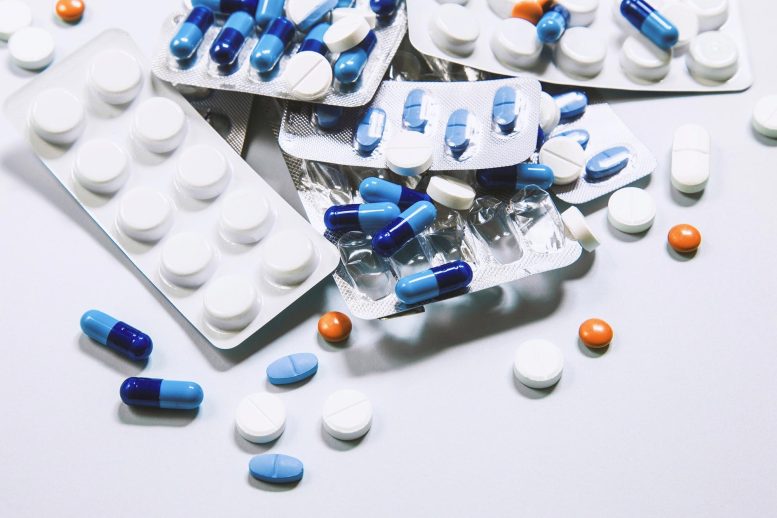
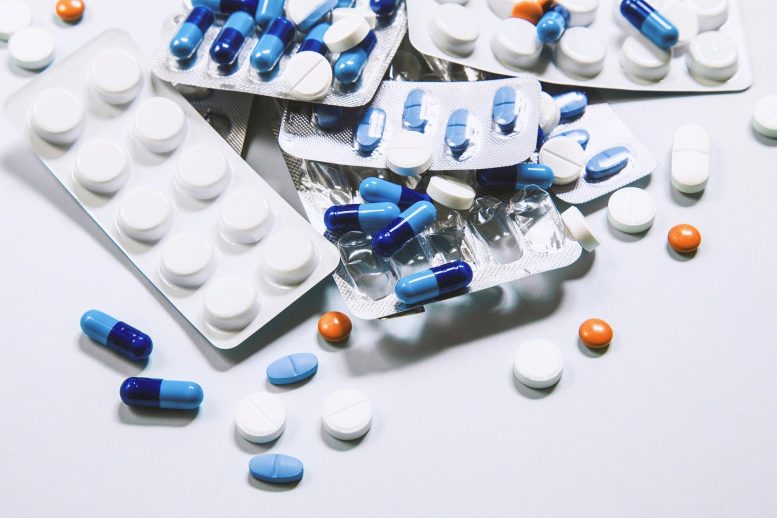
पेरासिटामोल, गैर-स्टेरायडल विरोधी भड़काऊ दवाओं (एनएसएआईडी), और ओपिओइड एनाल्जेसिक के लिए प्रतिरक्षा प्रतिक्रियाओं की सबसे बड़ी नैदानिक समीक्षा, संक्रामक रोगों पर ध्यान देने के साथ, इन आमतौर पर इस्तेमाल की जाने वाली दवाओं के अनपेक्षित प्रभावों में अंतर्दृष्टि प्रदान की है। निष्कर्ष इन दवाओं में से कुछ के पुराने और नए संक्रामक रोगों के खिलाफ लड़ाई में शामिल होने की क्षमता को उजागर करते हैं।
हालांकि इन दवाओं में अनुसंधान ने दर्द और बुखार प्रबंधन पर उनके प्रभावों पर ध्यान केंद्रित किया है, अब तक, संक्रामक रोगों के उपचार पर उनका प्रभाव विशेष रूप से स्पष्ट नहीं था। निष्कर्ष अनुसंधान के इस कम-मान्यता प्राप्त क्षेत्र में व्यापक प्रभाव के साथ और अधिक अध्ययन की आवश्यकता पर प्रकाश डालते हैं।
नैदानिक समीक्षा के प्रमुख निष्कर्ष
- दर्द के लिए: मॉर्फिन प्रतिरक्षा प्रणाली की प्रमुख कोशिकाओं को दबा देता है और संक्रमण का खतरा बढ़ जाता है, खासकर कैंसर सर्जरी के बाद।
- बुखार के लिए: एंटीपीयरेटिक्स - जैसे पेरासिटामोल, इबुप्रोफेन, एस्पिरिन - टीकाकरण के लिए वांछनीय प्रतिरक्षा प्रतिक्रिया को कम कर सकते हैं।
- तपेदिक के लिए एस्पिरिन एक किफायती और सुलभ चिकित्सीय विकल्प हो सकता है - जो मुख्य रूप से गरीब देशों को प्रभावित करता है, जिसके लाभकारी परिणाम जानवरों और मनुष्यों में दिखाई देते हैं।
- विरोधी भड़काऊ दवा इंडोमिथैसिन कोविड -19 में वायरल प्रतिकृति को कम कर सकती है लेकिन बड़े पैमाने पर मानव परीक्षणों की आवश्यकता है।
सिडनी विश्वविद्यालय के फैकल्टी ऑफ मेडिसिन एंड हेल्थ के नेतृत्व में शोधकर्ताओं ने संक्रामक रोग प्रतिक्रियाओं के संबंध में आगे के शोध और परीक्षणों के महत्व को ध्यान में रखते हुए, उपलब्ध साक्ष्य को संश्लेषित करने के लिए व्यापक गुंजाइश रखने के लिए ‘नैदानिक’ समीक्षा का विकल्प चुना।
शोध अनियोजित था और निष्कर्ष अप्रत्याशित थे, प्रमुख लेखक क्रिस्टीना अब्देल-शहीद ने कहा कि वे शुरू में महामारी के दौरान पेरासिटामोल (एसिटामिनोफेन) के संभावित प्रभावों का अध्ययन करने में रुचि रखते थे, जब लोगों ने पहले महीनों में दवा की जमाखोरी की थी।[{” attribute=””>COVID-19.
“We decided to study painkillers and fever medications generally and were amazed by what we found,” she said.
“In 14 years of studying pain, this is the most important research I have been involved in.”
The findings are published today in a leading journal, the British Journal of Clinical Pharmacology.
Caution urged during the pandemic
Pain researcher Dr. Christina Abdel-Shaheed, from Sydney Musculoskeletal Health, said the relationships uncovered with infectious diseases highlighted the need for rigorous clinical trials.
“Our review shows some of the common pain and fever medications may work with the immune system to fight infection, whereas others work against it and increase the risk of contracting or responding badly to infectious diseases,” Dr. Abdel-Shaheed said.
“Taking paracetamol or ibuprofen before or immediately after vaccination – for example for COVID-19 – to try to prevent mild fever or headache is not recommended, because this could reduce the body’s desirable immune response to the vaccine.
“For chickenpox, use of ibuprofen is not recommended as it might increase the risk of secondary bacterial skin infections.”
Dr. Justin Beardsley, infectious disease specialist at Westmead Hospital and researcher with Sydney Institute for Infectious Diseases, said an important finding of this review during the pandemic was that: “morphine – one of the most commonly used opioid analgesics in post-surgical and critical care – suppresses key innate immunity cells, thereby increasing the risk of infection”.
He highlighted: “This is particularly the case with cancer patients, who are already vulnerable to COVID-19.
“Efforts are needed to achieve adequate analgesia whilst avoiding immune-suppression in the immediate postoperative period caused by opioids such as morphine — both for people undergoing cancer surgery as well as for the immunocompromised generally,” said Dr. Beardsley, who also works with the Westmead Institute for Medical Research.
Positive impacts on our immunity
Professor Andrew McLachlan said on the positive side, the findings provide new insights for further research to evaluate these commonly used medicines, which could be repurposed to improve outcomes for people undergoing treatment for infectious diseases.
“With the urgent need for new treatments for COVID-19 and the declining efficacy of some antimicrobial agents due to resistance, now more than ever we need medicines which can maintain or enhance the efficacy of anti-infective drug treatments, said Professor McLachlan, the Head of School and Dean of Pharmacy at the University of Sydney.
“The results of this review suggest that commonly used medicines for pain and fever should be further explored as inexpensive and effective adjunctive treatments which influence immune and inflammation pathways for people undergoing treatment for infection.”
Under-researched area
Co-author Professor Ric Day from UNSW and St Vincent’s Hospital said research was still catching up in this new area of study.
“One of the problems is that widely used medicines –such as paracetamol, nonsteroidal anti-inflammatory drugs like ibuprofen, and corticosteroids such as prednisone – have been around for decades and in the past we didn’t tend to consider their impacts on the immune system because it has been an under-recognised area.
“From community use to hospital and acute care, these classes of pain and fever medications are among the most popular drugs worldwide but we need to consider the significant impact these can have on our immune system and our response to infectious diseases, including COVID-19.”
Reference: “Immunomodulatory effects of pharmaceutical opioids and antipyretic analgesics: Mechanisms and relevance to infection” 1 March 2022, British Journal of Clinical Pharmacology.
DOI: 10.1111/bcp.15281
(function(d, s, id){
var js, fjs = d.getElementsByTagName(s)[0]; अगर (d.getElementById(id)) वापसी; js = d.createElement(s); जेएस आईडी = आईडी; js.src = “//connect.facebook.net/en_US/sdk.js#xfbml=1&version=v2.6”; fjs.parentNode.insertBefore(js, fjs); }(दस्तावेज़, ‘स्क्रिप्ट’, ‘facebook-jssdk’));